







Skip to content

My Cart (0 Item)

Your cart is empty

How to Break in Cowgirl Boots: Stretch Out Cowboy Boots & Make Them More Comfortable

Nothing beats unboxing a fresh pair of handcrafted leather western boots. Whether you picked up sleek snip-toes or rugged work boots fit for the Dutton ranch in Yellowstone, that crisp leather feel is unmatched. But when you slide them on for the first time, reality hits. Rigid vamps, tight insteps, and stiff heel counters can turn your dream look into a painful walk.

Understanding how to make boots more comfortable right out of the box saves your feet from unnecessary blisters and gets you ready for two-stepping at the local honky-tonk in no time.

The Realistic Timeline: How Long Does It Take?

Before you speed through the process, set expectations. Quality leather acts like a second skin, but molding it takes genuine wear time and patience.

If you are asking how long it takes to break in boots, the short answer depends on leather thickness, construction, tanning method, and wear frequency. Heavy work boots made from thick full-grain steerhide usually require 80 to 100 hours of active wear to break in. Lighter dress boots and supple leather styles typically take around 30 to 50 hours. Exotic hides also vary greatly; soft ostrich or goat leather breaks in remarkably fast, while dense bullhide or alligator requires extended effort.

When planning for a big event like Stagecoach, the San Antonio Stock Show, or an all-day outdoor festival, figure out how long to break in boots beforehand so you are not stranded in stiff footwear. Knowing how long boots take to break in keeps you from pushing new leather too hard on day one and ruining a great night out.

For traditional western footwear, the timeline is quite specific. If you wonder how long it takes to break in cowboy boots, plan on roughly two to three weeks of consistent, short-interval wear. Cowgirl boots feature distinct steel shanks, high arch construction, and layered heel stacks. Discovering how long to break in cowgirl boots comes down to allowing both the leather vamp and the inner cork footbed adequate time to heat up, soften, and shape around the unique contours of your foot.

Explore more with our Hand-Tooled Leather Shoes & Footwear For Cowgirls

Woman wearing a fresh pair of handcrafted leather western cowgirl boots

Why New Western Boots Feel Stiff

To tackle stiff leather effectively, it helps to understand why new western boots feel tight in the first place. High-quality boots are built using traditional Goodyear welt construction. This method uses heavy stitching, thick leather counters, and rigid soles to ensure the footwear lasts for decades.

Out of the box, the fibers within vegetable-tanned or oil-tanned leather are tightly bound together. Until those fibers experience body heat, moisture, and repeated flexing, they remain rigid. The instep area, which acts as the primary anchor holding your foot in place since cowboy boots lack laces, is often the main source of initial tightness. Understanding this design helps you use the right softening techniques without ruining the boot's hold.

Close-up of stiff new leather cowboy boot showing thick Goodyear welt construction

Proven Steps: How To Make Boots Comfortable Fast

Breaking in leather shouldn't feel like an endurance test from Walker, Texas Ranger. Smart, safe methods speed up flexibility without damaging your boots' structural integrity.

Person applying safe break-in techniques to a pair of western cowboy boots

Thick Socks and Short House Strolls

The easiest trick for making boots comfortable is wearing double-layer thick wool socks around the house. Put them on, pull your boots up, and walk around your living room for 1 to 2 hours a day. This expands the leather gently across the vamp and toes without forcing your feet into harsh outdoor friction.

Thick wool socks paired with cowboy boots for gentle at-home break-in

Apply Quality Leather Conditioner

Stiff leather is dry leather. Massaging a rich leather conditioner, boot cream, or neatsfoot oil into the exterior vamp relaxes tight fibers. Deep conditioning softens stubborn leather spots, offering a clear solution for making cowboy boots more comfortable around the instep and ankle flex points.

Applying leather conditioner to soften the vamp of a cowboy boot

Use a Two-Way Boot Stretcher

If your boot pinches the ball of your foot or feels uncomfortably tight across the arch, skip the physical pain. Insert a wooden two-way boot stretcher equipped with targeted spot-stretching plugs overnight. This handy tool targets tight pressure points while preserving the overall classic silhouette.

Wooden two-way boot stretcher inserted into a cowboy boot overnight

Upgrade the Insoles & Add Heel Grips

Sometimes stiffness isn't just the leather; it's hard interior footbeds. Inserting thin, shock-absorbing leather or gel insoles provides immediate underfoot relief. If your heel slips excessively while walking, adding adhesive leather heel grips prevents painful friction blisters along your Achilles tendon.

Gel insole and adhesive heel grips placed inside a cowboy boot for comfort

Flex the Soles Manually

Before stepping into your boots, take them in your hands and gently bend the sole back and forth at the ball of the foot. Massaging the arch and flexing the leather outsole breaks the initial stiffness of the shank area, allowing a more natural stride right away.

If you’re wondering how to shrink leather boots, how to stretch them, and whether you can shrink them, this guide covers practical DIY boot-resizing methods to fine-tune the fit while preserving the leather's integrity.

Hands manually flexing the sole of a cowboy boot to loosen the shank

What NOT To Do: Avoiding Common Myths

Pop culture tricks and internet shortcuts don't always translate to proper leather care. You might have heard old tales from rodeo hands about soaking new boots in a bucket of water or blasting them with a high-heat hair dryer while wearing them.

Submerging genuine leather in water strips away essential tanning oils. Once the wet leather dries, it shrinks, stiffens, and becomes prone to premature cracking. Similarly, extreme dry heat from hair dryers weakens boot glue, shrinks stitching, and dries out natural hides. For long-term comfort, use conditioned moisture, steady pressure, and gradual wear.

Whether you are buying your first pair of cowboy boots or expanding a curated retail footwear collection, understanding different boot leather types is essential.

Cowboy boot next to a bucket of water and hair dryer, illustrating break-in methods to avoid

Long-Term Care for Lasting Comfort

Once your boots are fully broken in, maintaining your custom Western boot fitting requires basic upkeep. Use cedar boot trees after long days to absorb moisture and maintain the vamp's shape. Apply conditioner every few months to keep the leather supple, especially if you live in dry, dusty climates like West Texas or Arizona.

Knowing how long boots take to break in helps you stay patient during those first few wears. With a little conditioner, thick socks, and consistent daily wear, your boots will soon feel like custom-tailored favorites ready for every trail and dance floor ahead.

And if you need a little help, we have a great read on how to distress cowboy boots & make them look worn

Pair of well-maintained broken-in cowboy boots with cedar boot trees

JOIN US

@myrabag

Blog posts

Break in Boots: How To Make Boots More Comfortable

Break in Boots: How To Make Boots More Comfortable

How to Break in Cowgirl Boots: Stretch Out Cowboy Boots & Make Them More Comfortable Nothing beats unboxing a fresh pair of handcrafted leather western boots. Whether you ...

10 Best Vintage Backpack Styles For Cowgirls & How to Choose The Best Leather Backpack For Women
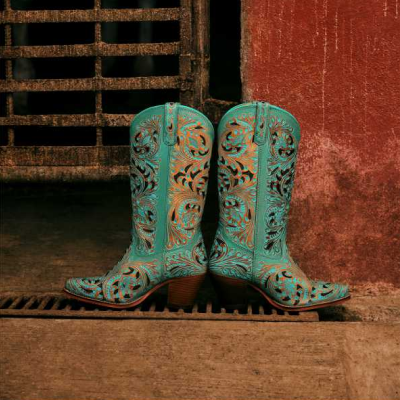
10 Best Vintage Backpack Styles For Cowgirls & How to Choose The Best Leather Backpack For Women

10 Best Vintage Backpack Styles For Cowgirls Finding the best vintage backpacks is all about balancing daily functionality with authentic Southwest flair. Whether you are ridi...
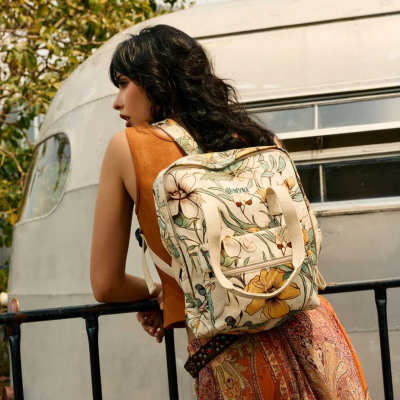
How to Choose The Best Leather Backpack For Women

How to Choose The Best Leather Backpack For Women

How to Choose The Best Leather Backpack For Women Finding a bag that balances hands-free convenience, structural durability, and genuine style isn't easy. Totes often pull une...

The Ultimate Guide to Western Boot Leather Types: Materials, Durability, and Style

The Ultimate Guide to Western Boot Leather Types: Materials, Durability, and Style

Cowboy Boot Leather Types: Materials, Durability, and Style Whether you are buying your first pair of cowboy boots or expanding a curated retail footwear collection, understan...

How to Style Turquoise Jewelry: What Color Clothes Go with Turquoise Necklaces and Rings

How to Style Turquoise Jewelry: What Color Clothes Go with Turquoise Necklaces and Rings

How to Style Turquoise Jewelry: What Color Clothes Go with Turquoise Necklaces and Rings Turquoise is the beating heart of Southwest fashion. Whether you are getting dressed for a weekend rodeo, ...