How to Distress Cowboy Boots & Make Them Look Worn?
How to Distress Cowboy Boots & Make Them Look Worn
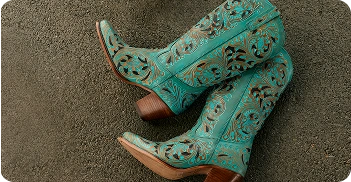
Out on the high desert plains, a brand-new boot can feel almost untouched, like it hasn’t earned its place yet. Worn leather, on the other hand, carries a certain depth. It reflects miles covered, long days, and movement over time. At Myra, this belief shapes every handcrafted piece, in which leather is meant to evolve rather than remain pristine.
For those who want that aged finish without waiting years, this guide breaks down how to distress leather boots using practical, at-home methods.
Why Distressed Leather Cowboy Boots at All?
There’s a reason vintage enthusiasts seek out worn-in pairs across markets in New Mexico and Texas. Naturally aged leather develops texture, variation, and depth that fresh boots simply don’t have.
Modern boots are often polished and structured. But if you’re exploring how to distress boots for comfort, styling, or a more relaxed finish, controlled distressing can transform them instantly.
Whether you're experimenting with distressed leather shoes or boots, the goal is the same: create an authentic, worn effect that feels natural.
How to Distress Cowboy Boots: 6 Practical Methods
Before starting, work in a ventilated area and test on a hidden section. These techniques are ideal for full-grain leather, commonly used in Cowgirl boots.
Method 01: Sandpaper (Controlled Scuffing)
One of the most reliable ways to how to distress leather boots is with sandpaper.
Use medium grit (120) on the toe, heel, and flex points. Follow with finer grit (220) for a softer finish. This method mimics real wear patterns and is commonly used to make shoes look worn.
Focus on natural stress areas rather than sanding the entire surface evenly.
Method 02: Rubbing Alcohol (Faded Finish)
If you're exploring how to distress leather shoes for a sun-faded look, rubbing alcohol works well.
Apply unevenly with a cotton pad to lift dye and create variation. While damp, gently flex the boot to form creases. This technique is effective for achieving a matte, worn appearance.
Condition thoroughly afterward to maintain leather health.
Method 03: Rock & Gravel (Natural Abrasion)
This is one of the fastest ways to do distressed leather boots with an irregular texture.
Place the boots in a pillowcase with small rocks, then shake gently. The result is uneven scuffing that closely resembles real outdoor wear.
Method 04: Hammering & Creasing
To understand how to make shoes look worn, focus on shaping the leather.
Stuff the boot, then lightly tap it with a hammer or keys to create dents and fine scratches. Flexing the shaft repeatedly adds realistic creases where movement naturally occurs.
Method 05: Polish Layering (Depth & Patina)
For those hesitant about abrasion, this is the safest way to distress leather boots.
Apply darker polish into seams and creases, then buff the surface. This creates depth without damaging the leather and is also useful when learning how to distress leather shoes more subtly.
Method 06: Natural Wear Simulation
Sometimes, the simplest answer to the question of how to distress boots is to use them with restraint.
Stuff the boot, then lightly tap it with a hammer or keys to create dents and fine scratches. Flexing the shaft repeatedly adds realistic creases where movement naturally occurs.
Distressing can elevate your boots, but done incorrectly, it can permanently damage them. Before you begin, it’s important to understand where to draw the line.
1. Avoid Exotic or Delicate Leathers
Not all leather reacts the same way. While full-grain leather handles distressing well, exotic materials like python, ostrich, or snakeskin can crack, peel, or lose their natural pattern. If you're unsure about the material, avoid experimenting. These leathers are not suitable for the techniques used in how to distress leather boots.
2. Avoid High-Value or Collector Pieces
If your boots are expensive, limited-edition, or have resale value, distressing can significantly reduce their value. Even when learning how to distress boots, it’s best to practice on an older or more affordable pair first. Mistakes are often irreversible.
3. Risk of Over-Distressing
More is not always better. Excessive sanding, aggressive hammering, or repeated chemical use can:
Thin out the leather
Cause premature cracking
Weaken structural areas like the toe and heel
A common mistake when trying to make shoes look worn is overdoing high-contact areas, making them look damaged rather than naturally aged.
4. Chemical Damage & Dryness
Methods involving alcohol or other agents strip natural oils from leather.
Without proper conditioning:
Leather can become brittle
Surface cracks may appear over time
Color may fade unevenly
If you're exploring how to distress leather shoes, always follow up with a quality leather conditioner to restore balance.
5. Unpredictable Results
Distressing is not an exact science. Each leather type absorbs wear differently, which means:
Color changes may vary
Scuffs may appear uneven
Final results may differ from expectations
This unpredictability is part of the process, but it’s important to proceed slowly—especially when learning how to make shoes look worn effectively.
6. Stitching & Structural Weak Points
Aggressive distressing near seams, stitching, or zippers can weaken the boot’s construction.
When applying techniques from how to distress boots, always:
Avoid heavy sanding near stitched areas
Be gentle around zippers and pull tabs
Focus on surface-level aging, not structural stress
7. Always Test First
This cannot be skipped. Before applying any method, test on the inside shaft or a hidden section. Patiently wait 24 hours to see the effect and adjust your approach based on the result. Even when following guides on how to distress leather boots, testing ensures you don’t ruin the entire pair.
Ans: The safest methods include polish layering and natural wear. Both help with making shoes look worn without aggressive damage.
Q: Can sandpaper be used on all boots?
Ans: No. It works best on full-grain leather. Avoid suede, nubuck, or patent finishes when learning how to distress leather boots.
Q: How do you get a sun-faded effect?
Ans: Rubbing alcohol or controlled sunlight exposure helps achieve this when distressing leather shoes.
Q: Does distressing affect durability?
Ans: If done carefully and followed by conditioning, most methods of how to distress boots will not significantly reduce lifespan.
Distressing is not about forcing wear, it’s about guiding it. Done right, the finish feels natural and balanced rather than artificial. If you prefer boots that already carry that effortless worn-in appeal, explore Myra’s handcrafted styles, designed to age beautifully from day one.
Types of Western Boots: Cowgirl & Cowboy Boot Styles Guide
Western boots have traded dust-covered trails for trade shows and formal dinners without losing an ounce of thei...
How to Break in Cowgirl Boots: Stretch Out Cowboy Boots & Make Them More Comfortable
Nothing beats unboxing a fresh pair of handcrafted leather western boots. Whether you ...
10 Best Vintage Backpack Styles For Cowgirls
Finding the best vintage backpacks is all about balancing daily functionality with authentic Southwest flair. Whether you are ridi...
How to Choose The Best Leather Backpack For Women
Finding a bag that balances hands-free convenience, structural durability, and genuine style isn't easy. Totes often pull une...
Cowboy Boot Leather Types: Materials, Durability, and Style
Whether you are buying your first pair of cowboy boots or expanding a curated retail footwear collection, understan...