



What Are Cowboy Boots Made Of?
To understand boot skin types, it helps to first ask: what are cowboy boots made of at their core? A traditional cowboy boot relies on high-grade leather throughout its key structural components:

Whether you are buying your first pair of cowboy boots or expanding a curated retail footwear collection, understanding the different boot skin types and leather types is essential. Western boots are more than just footwear; they are an investment in craftsmanship, heritage, and style. The boot materials you choose dictate not only how the boot looks on day one, but also how it ages, breaks in, and handles daily wear.
From classic smooth cowhide to intricate hand-tooled art and eye-catching hair-on hide, each type of boot skin offers unique benefits. In this guide, we break down what cowboy boots are made of, the most popular cowboy boot leather types, and how to select the best leather for cowboy boots to match your lifestyle.
To understand boot skin types, it helps to first ask: what are cowboy boots made of at their core? A traditional cowboy boot relies on high-grade leather throughout its key structural components:

The lower portion covering the top of your foot. This area experiences the most flex, tension, and weather exposure, making leather selection here critical for durability.

The top tube running up the calf. The shaft provides structure, style, and protection, often featuring western stitching, tooling, or unique hair-on textures.

Premium leather boots feature soft leather inner linings that absorb moisture, prevent chafing, and mold to your feet over time for a custom Western boot fit. In case the fit is off, this guide explains how to shrink leather boots, how to stretch them, and whether you can shrink them, along with practical DIY boot-resizing methods to fine-tune the fit while preserving the leather's integrity.

High-quality western boots use heavy-duty leather outsoles stitched to the upper using Goodyear welt construction, anchored by stacked leather heels for lasting stability.
While synthetic materials have entered the market, genuine top-grain and full-grain hides remain the gold standard when evaluating what cowboy boots are made of.

Different types of cowboy boot leather offer distinct advantages depending on whether you need a rugged workhorse or a head-turning statement piece.

Full-grain cowhide is widely considered the best leather for cowboy boots intended for daily utility. It retains the hide's natural outer surface, preserving all the dense fibers that make it tough, weather-resistant, and long-lasting. Smooth or naturally pebbled, it delivers a classic western finish that resists punctures, scrapes, and moisture better than most boot materials.
While it requires a brief break-in period, it quickly softens and molds to your foot's shape over time. For a classic dark brown finish with intricate Western embroidery swirling across the shaft, boots like the Nalejandra Boots in Chocolate Brown showcase the beauty of full-grain hide. Similarly, options like the High Plains Stitched Leather Boots highlight how rugged full-grain construction pairs with traditional contrast stitching for timeless ranch utility.

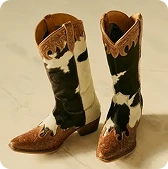
Hair-on hide is one of the most distinctive boot skins available. It is authentic leather preserved with its natural fur intact. Because no two animal hides possess identical markings, every pair of hair-on hide boots is completely one-of-a-kind, offering a soft, tactile, and visually dynamic look with organic speckled or spotted patterns.
While the underlying hide provides high structural strength, the hair requires gentle care to avoid friction wear in high-impact areas. Designs like the Adelaide Hair-On High Top Boots effortlessly blend textured hair-on hide patterns with structured leather framing, making them ideal for bold fashion statements, festival outfits, and boutique showcases.

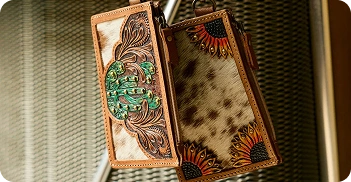
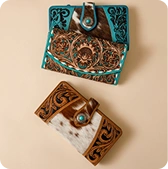
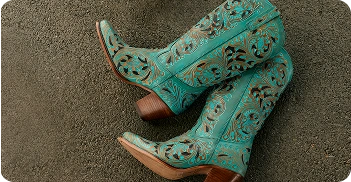
Among all types of leather boots, hand-tooled designs represent true artisan craft. Skilled leatherworkers carve intricate floral, scrollwork, or geometric patterns directly into vegetable-tanned cowhide, creating deeply textured pieces with rich dimensional relief. The tooling process compacts the leather fibers, making these boots exceptionally sturdy, though they feel slightly stiffer right out of the box.
For those seeking high-end western dress boots, the Savanna Handtooled Leather Boots in Black & White offer a striking contrast on hand-carved motifs. If you prefer softer earthy tones, the Dakota Dust Handtooled Boots in Tan & White pair detailed floral tooling with tan and white leather for an elevated, artisan aesthetic.

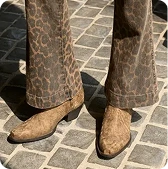
Suede is created by buffing the inner side of the hide to create a soft nap, while distressed leather boots are treated with oils and waxes to create an aged patina right from the start. Both are popular types of cowboy boot leather for casual wear due to their relaxed, lived-in aesthetic. They require minimal to no break-in time, offering immediate flexibility and comfort for casual everyday outings or boho-western crossover styles. Modern boots are often polished and structured. But if you're exploring how to distress Cowboy boots for styling, or a more relaxed finish, controlled distressing can transform them instantly.

| Leather / Skin Type | Texture & Finish | Durability Rating | Maintenance Level | Style Category | Signature Style Example |
|---|---|---|---|---|---|
| Full-Grain Cowhide | Smooth / Natural Grain | High | Low | Classic / Utility | Nalejandra Boots |
| Hair-on Hide | Soft Fur / Organic Pattern | Medium-High | Moderate | Statement / Boutique | Adelaide High Top Boots |
| Hand-Tooled | Carved Floral / Relief | High | Low-Moderate | Dress / Artisan | Savanna Leather Boots |
| Distressed / Suede | Soft Nap / Aged Patina | Medium | Moderate-High | Casual / Vintage | Rustic Distressed Styles |

Finding the best leather for cowboy boots comes down to balancing three key decisions across different boot skins:

Knowing what cowboy boots are made of helps you select for function. For heavy daily wear or outdoor work, prioritize full-grain cowhide boot materials. For events, dress wear, or to showcase personal flair, opt for hand-tooled or hair-on boot types.

Smooth cowhide and hand-tooled leather boots are easy to clean with a damp cloth and a basic conditioner. Suede and hair-on hide require specialized brushes and spot-cleaning techniques.

Exploring different boot skins lets you tailor your look. If you prefer clean, traditional lines, classic cowboy boot leather types deliver. If you prefer artisan details, hand-carved motifs or natural hide patterns offer distinct individuality.

To keep your investment looking and performing its best for decades, follow a simple care routine tailored to your specific boot skin types:

Whether you are deciding on the best leather for everyday work, the artistic flair of hand-tooled patterns, or the distinctive look of hair-on hide, understanding what cowboy boots are made of ensures you make the right choice. Each of these cowboy boot leather types brings its own blend of durability, history, and individual character.
Explore handcrafted footwear and different boot skins at Myra to find a pair built on authentic craftsmanship, premium boot materials, and enduring western heritage.

JOIN US




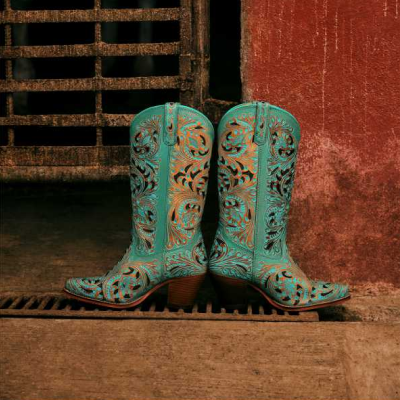
Western Boot Types: From Casual to Formal, Own Your Ranch Style!
Types of Western Boots: Cowgirl & Cowboy Boot Styles Guide Western boots have traded dust-covered trails for trade shows and formal dinners without losing an ounce of thei...
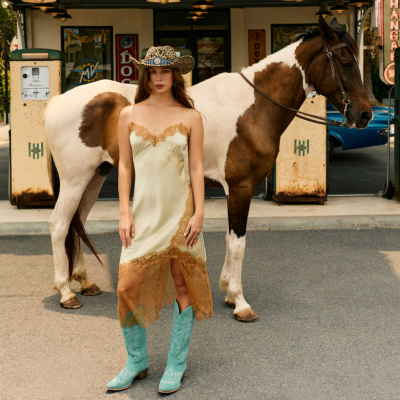
Break in Boots: How To Make Boots More Comfortable
How to Break in Cowgirl Boots: Stretch Out Cowboy Boots & Make Them More Comfortable Nothing beats unboxing a fresh pair of handcrafted leather western boots. Whether you ...
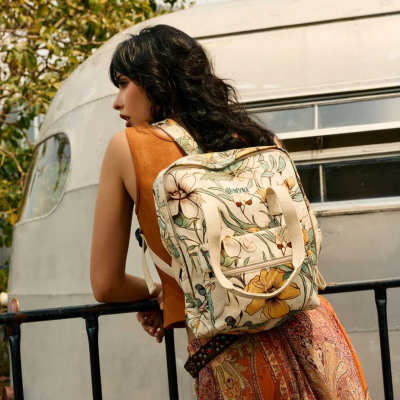
10 Best Vintage Backpack Styles For Cowgirls & How to Choose The Best Leather Backpack For Women
10 Best Vintage Backpack Styles For Cowgirls Finding the best vintage backpacks is all about balancing daily functionality with authentic Southwest flair. Whether you are ridi...
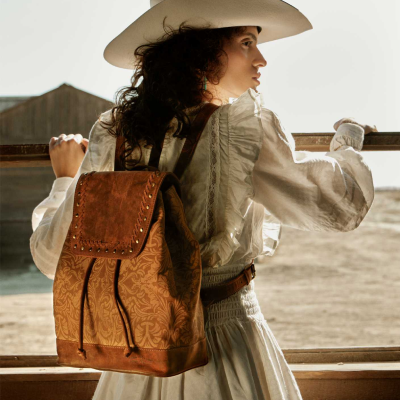
How to Choose The Best Leather Backpack For Women
How to Choose The Best Leather Backpack For Women Finding a bag that balances hands-free convenience, structural durability, and genuine style isn't easy. Totes often pull une...
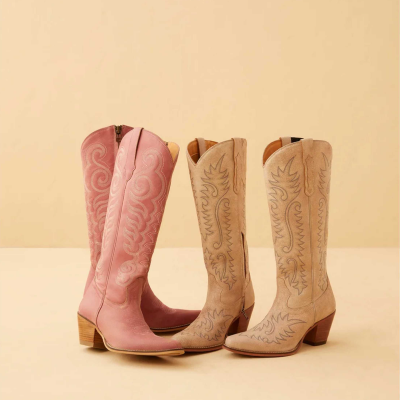
The Ultimate Guide to Western Boot Leather Types: Materials, Durability, and Style
Cowboy Boot Leather Types: Materials, Durability, and Style Whether you are buying your first pair of cowboy boots or expanding a curated retail footwear collection, understan...
Western Purses | Tooled Leather Bags | Western Cross Body Bag | Vintage Diaper Bags | Recycled Canvas Purses | Vintage Tote Bags | Western Wallets | Western Wallets For Men | Tooled Leather Wallets | Cowgirl Wedding Boots | Red Western Boots | Pink Western Boots | Western Shoes | Western Sandals | Western Mules | Western Heels | Cowgirl Shorts | Western Jackets For Women | Western Sweaters | Western Jeans for Women | Western Hoodies for Women | Western Jewelry | Western Earrings | Western Necklaces | Western Rings | Sterling Silver Western Jewelry | Western Jewelry Box | Western Belts | Western Belts for Women | Western Belts for Men | Western Phone Cases | Cowgirl Accessories | Western Dog Collars | Leather Purse Straps | Western Apple Watch Bands | Leather Gun Cases | Cowboy Accessories